Handicap Ramp Installation in Wilmington, NC
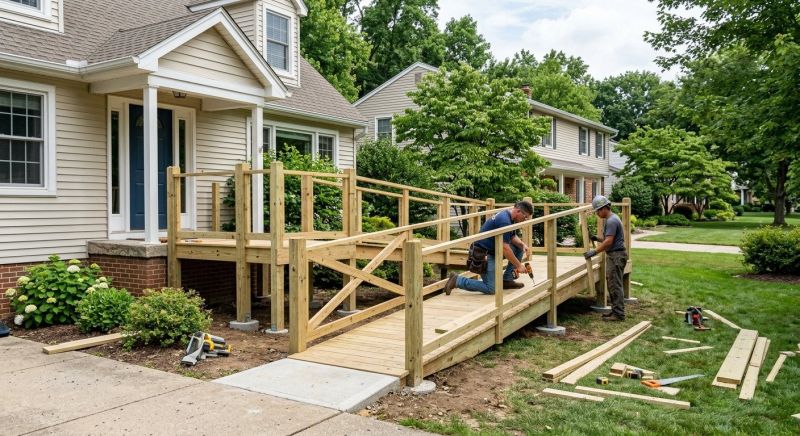
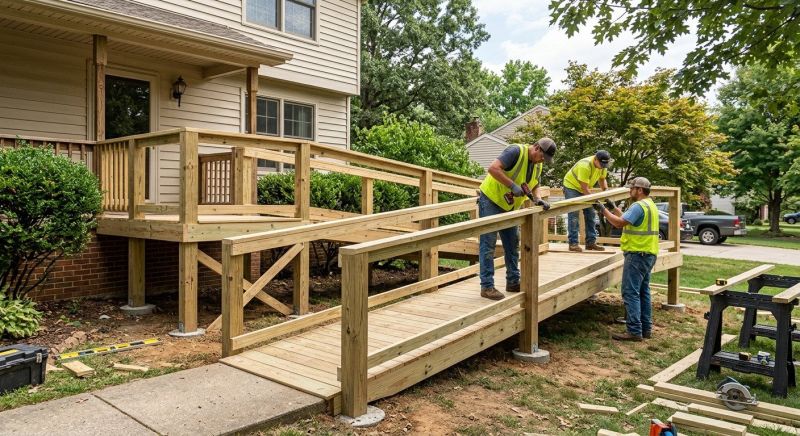
Handicap ramp installation services provide accessible solutions for homeowners seeking to improve entryways and outdoor pathways. These projects typically involve constructing ramps that accommodate mobility devices such as wheelchairs, scooters, or walkers, making homes more accessible for individuals with limited mobility. Common areas for installation include front entrances, back doors, garages, or other points of entry where steps may pose a challenge. Property owners usually want to understand the different types of ramps available, the materials used, and how the installation process will integrate with existing structures to ensure safety and durability.
Before requesting handicap ramp installation, property owners should consider the specific needs of the user, including mobility device dimensions and preferred entry points. It’s also helpful to evaluate the space available for the ramp, the slope requirements for accessibility standards, and any local building codes or regulations that may apply. Clarifying these details can help ensure the project meets accessibility goals while fitting within the property’s layout. Proper planning can facilitate a smooth installation process and result in a functional, safe, and long-lasting addition to the home.
Many property owners in Wilmington, NC look into Handicap Ramp Installation for repairs, replacements, upgrades, and appearance-related improvements.
Accessibility Improvements
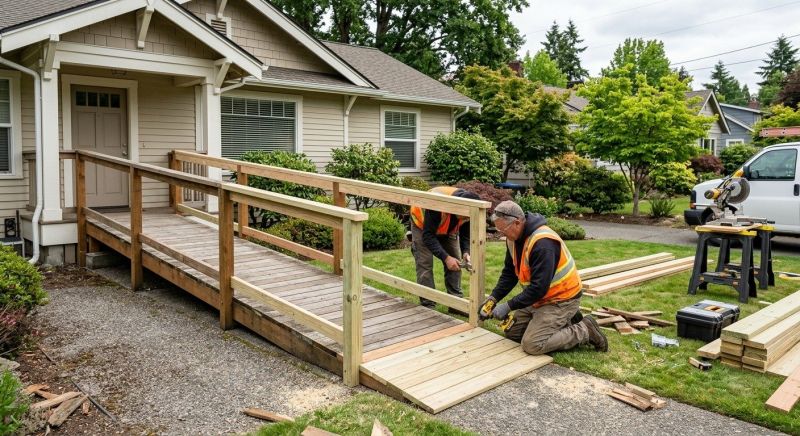
Handicap ramp installations enhance safety and ease of access for all visitors.
Custom Ramp Solutions
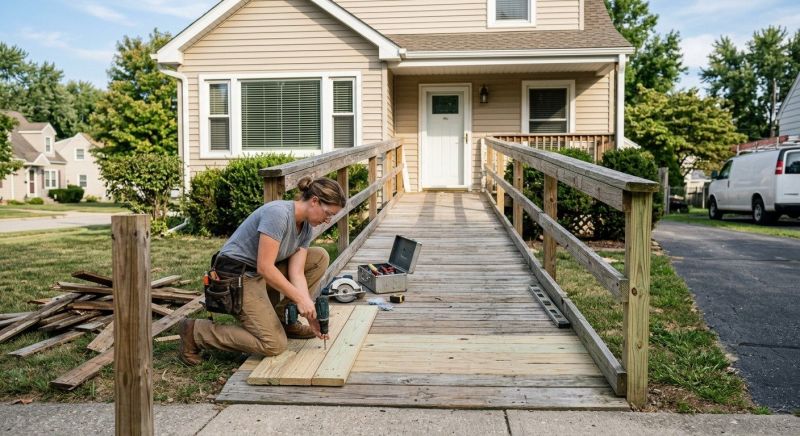
Ramps can be tailored to fit various property styles and specific mobility needs in wilmington, nc.
Property Value Enhancement
Installing a handicap ramp can increase the functionality and value of residential and commercial properties.
Handicap Ramp Installation in Wilmington, NC
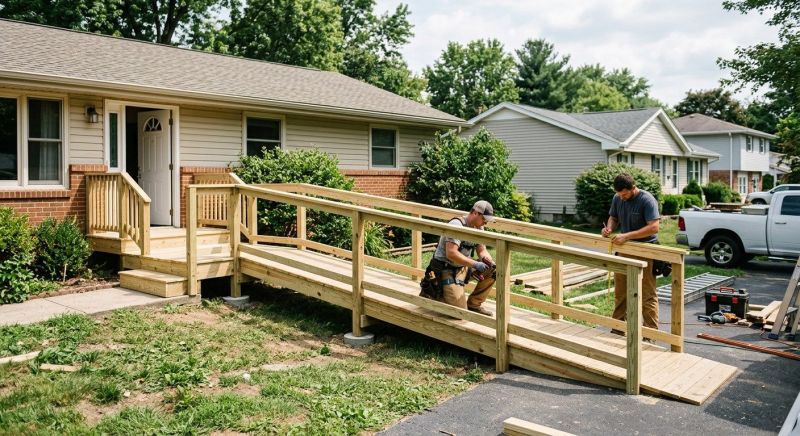
Handicap ramp installation services provide accessible solutions for homeowners seeking to improve entryways and outdoor pathways. These projects typically involve constructing ramps that accommodate mobility devices such as wheelchairs, scooters, or walkers, making homes more accessible for individuals with limited mobility. Common areas for installation include front entrances, back doors, garages, or other points of entry where steps may pose a challenge. Property owners usually want to understand the different types of ramps available, the materials used, and how the installation process will integrate with existing structures to ensure safety and durability.
Before requesting handicap ramp installation, property owners should consider the specific needs of the user, including mobility device dimensions and preferred entry points. It’s also helpful to evaluate the space available for the ramp, the slope requirements for accessibility standards, and any local building codes or regulations that may apply. Clarifying these details can help ensure the project meets accessibility goals while fitting within the property’s layout. Proper planning can facilitate a smooth installation process and result in a functional, safe, and long-lasting addition to the home.
Many property owners in Wilmington, NC look into Handicap Ramp Installation for repairs, replacements, upgrades, and appearance-related improvements.
Common Handicap Ramp Installation Jobs
Handicap Ramp Installation - Provides accessible entry solutions for homes and commercial properties.
Residential Ramp Projects - Custom ramps designed to improve mobility for homeowners and visitors.
Commercial Accessibility Ramps - Ensures businesses meet accessibility standards with durable ramp installations.
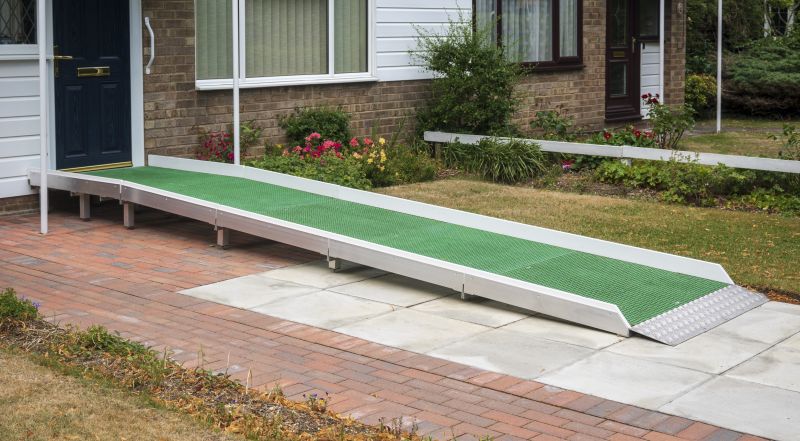
Portable Ramp Solutions - Temporary or removable ramps for events, renovations, or short-term needs.
Threshold and Step Ramps - Makes entryways safer by replacing steps or high thresholds with gentle slopes.
Custom Ramp Design - Ramps tailored to fit specific property layouts and user requirements.
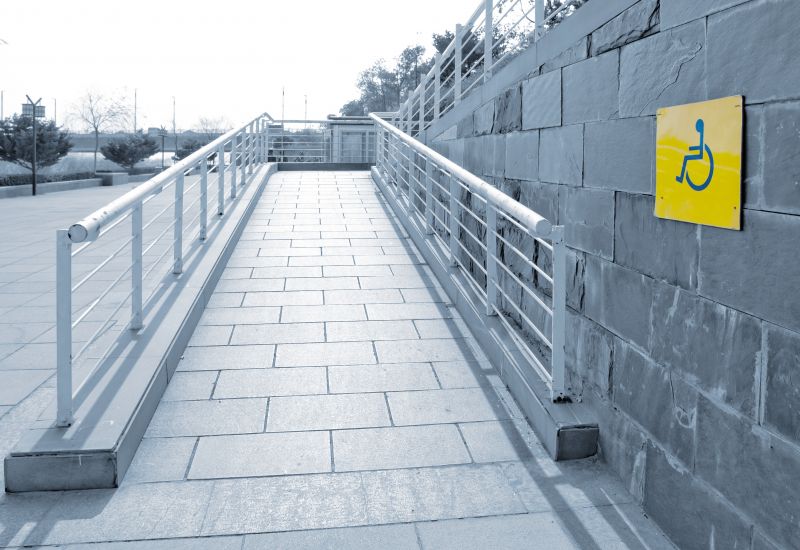
Handicap Ramp Installation Questions
What types of properties need handicap ramp installation? Residential homes, apartments, and commercial buildings may require ramps to improve accessibility for individuals with mobility challenges.
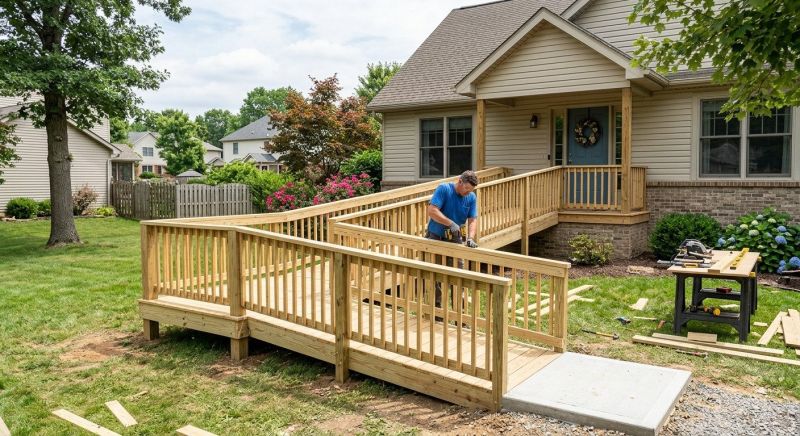
What materials are commonly used for handicap ramps? Common materials include aluminum, wood, and concrete, chosen for durability and ease of use.
Are handicap ramps customizable to fit different property layouts? Yes, ramps can be tailored to specific property dimensions and accessibility needs for a safe and functional setup.
What should property owners consider before installing a handicap ramp? It's important to assess space availability, slope requirements, and local building codes to ensure proper installation.
Request Handicap Ramp Installation in Wilmington, NC
Use the quote form on this page to share the basics of your project and request more information for the type of work you need.